At a glance
For a phone contract you need ID that shows your current address: a residence card, driver's licence, My Number Card, or a passport only if it shows your address. You pay by credit card or a Japanese bank account. Compare SIM-only plans with handset contracts, ask about the minimum term and cancellation fees, and remember the 8-day cancellation rule.
- Last updated
- November 7, 2026
Rules, fees and services change often. Last checked: 7 November 2026. Always confirm with the official sources below or with your city office before you act.
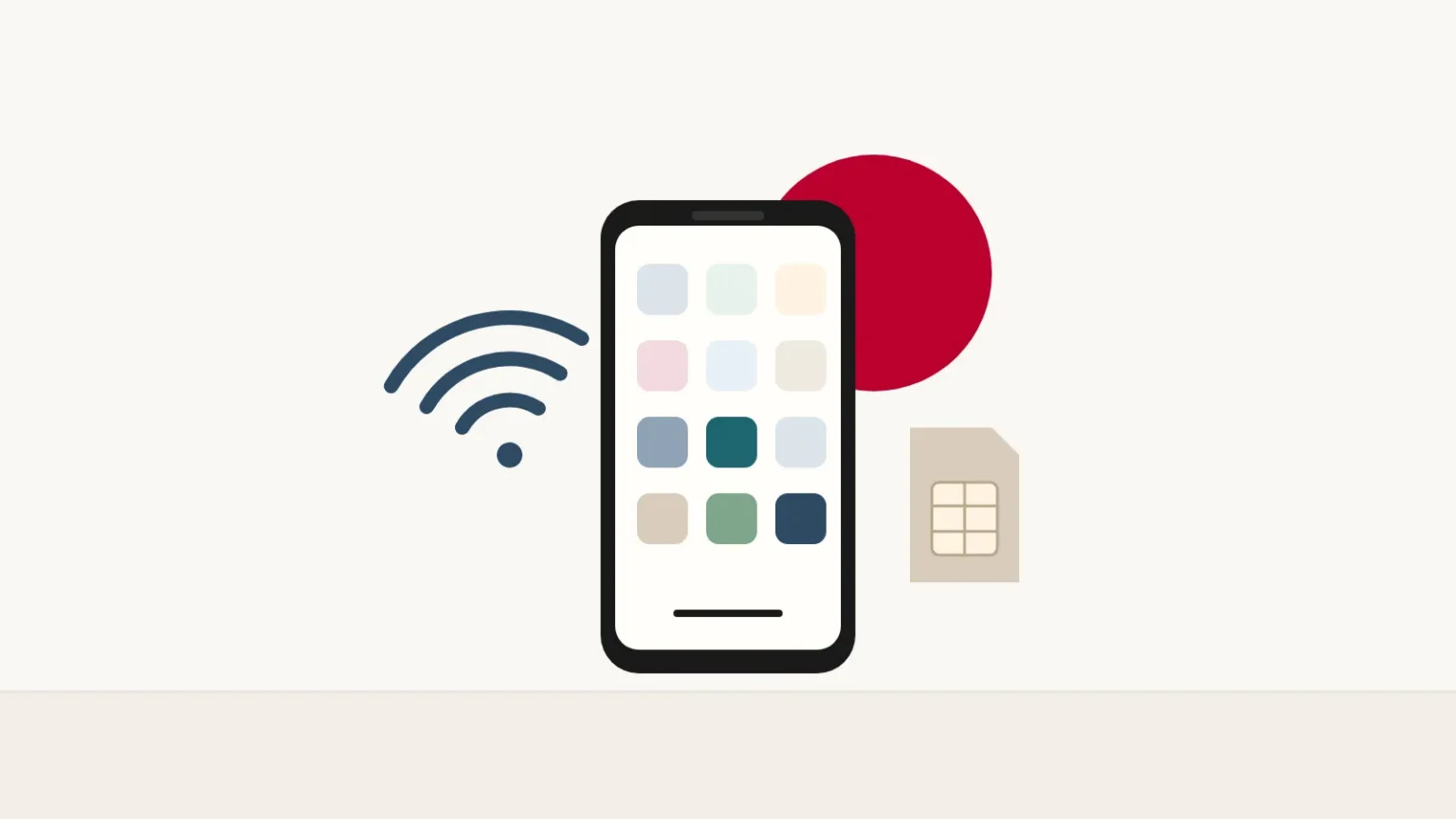
A Japanese phone number makes life much easier: banks, employers, schools, delivery companies and the city office all use it. You can choose a SIM-only plan for your own phone, or a contract that includes a new phone. Either way, the carrier must check your identity by law.
What you need
- ID with your current address: residence card, driver’s licence, My Number Card, or passport (only when it shows your current address). Most new arrivals use the residence card, so register your address first.
- A way to pay: a credit card, or a cash card or bankbook from a Japanese bank account.
- If you are under 18, a parent’s or guardian’s consent letter as well as your ID.
This is why the usual order is: address registration, then bank account, then phone (see our first 14 days guide and bank account guide). Some carriers explain plans and documents in several languages online and in stores. Ask before you go.
SIM-only or a contract with a phone?
- SIM-only plan: you put the carrier’s SIM (or eSIM) in your own phone. Your phone must work on Japanese networks and must not be locked to another carrier. Check this before you leave home.
- Contract with a handset: you get a new phone, often paid in monthly instalments over a long period. This makes the monthly bill bigger and can tie you to the carrier until the phone is paid off.
- Data-only SIM: internet only, with no normal phone number. Some services want a phone number that can receive calls or SMS.
- Prepaid SIM: you pay first. The 8-day cancellation rule below does not cover prepaid services.
Avoiding long and costly contracts
Before you sign, ask these questions and get the answers in writing:
- Is there a minimum contract period? What does it cost to cancel early?
- If a phone is included: how many months of instalments, and what happens if I cancel before they end?
- What is the price after any first-months discount ends?
- Which options are added (insurance, streaming, cloud storage)? Remove the ones you do not want.
- Can I keep my number if I move to another carrier later?
Plan names and options are often in katakana. Our katakana for loanwords lesson and numbers and prices lesson help you read them.
The 8-day cancellation rule
Under the Telecommunications Business Act, you can cancel a new contract for a communication service within 8 days of receiving the contract document (初期契約解除, shoki keiyaku kaijo), even if the contract has an early-cancellation penalty. You still pay a few actual costs, such as the service you used and the SIM fee, but the Minister of Internal Affairs and Communications sets the maximum. Some carriers, including the three biggest, use confirmation measures (確認措置) instead. These let you cancel, including the handset, in limited cases such as poor signal or an inadequate explanation. MIC lists which carriers use which system.
Home internet
For Wi-Fi at home you can use a fixed line (for example fibre), which needs an installation, or a mobile router. Before you order a fixed line, ask your landlord or management company whether the building already has internet and whether installation is allowed. Fixed-line contracts can also have a minimum term and cancellation fees, so ask the same questions as for a phone.
Phone contract scams
Never sign a phone contract for someone else. Brokers sometimes ask foreign residents to sign contracts “for a friend” or pay them for their SIM cards. The phones are then used for crime. Transferring a contracted phone to another person without the carrier’s consent is prohibited by law, and you can be prosecuted.
If you ask someone to help you sign a contract, check the papers yourself too.
When you leave Japan
Contact your carrier and cancel or transfer the contract before you go. Do not give your SIM or phone to a friend to “keep the number”. Pay any remaining instalments, or you may still be billed after you leave.
Common mistakes
- Going to the shop before your address is registered. The ID must show your current address.
- Buying a phone that is locked or does not support Japanese networks.
- Agreeing to options you do not need because the explanation was in fast Japanese.
- Missing the 8-day window because you did not read the contract document.
- Leaving Japan without cancelling.
Frequently asked questions
Can I get a phone contract with only my passport?
Only if the passport shows your current address in Japan, which most passports do not. Use your residence card after your address is registered.
Do I need a Japanese bank account?
Usually yes, or a credit card. The ISA guidebook lists a credit card, or a cash card or bankbook from a Japanese bank, for paying the bill.
Does the 8-day rule apply to a prepaid SIM?
No. MIC says prepaid services are not covered by initial contract cancellation.
A man offered me money for my SIM card. Is that OK?
No. Transferring a contracted phone or SIM without the carrier’s consent is a crime, and the line can be used for fraud in your name. Refuse, and talk to your employer, school or the police if you are pressured.