Skip to content

New: practical guides to visas, work and everyday life in Japan

Life in Japan

Life in Japan guides

Practical guides to everyday life in Japan: banking, transport, healthcare, housing and more.

11 guides

Guides

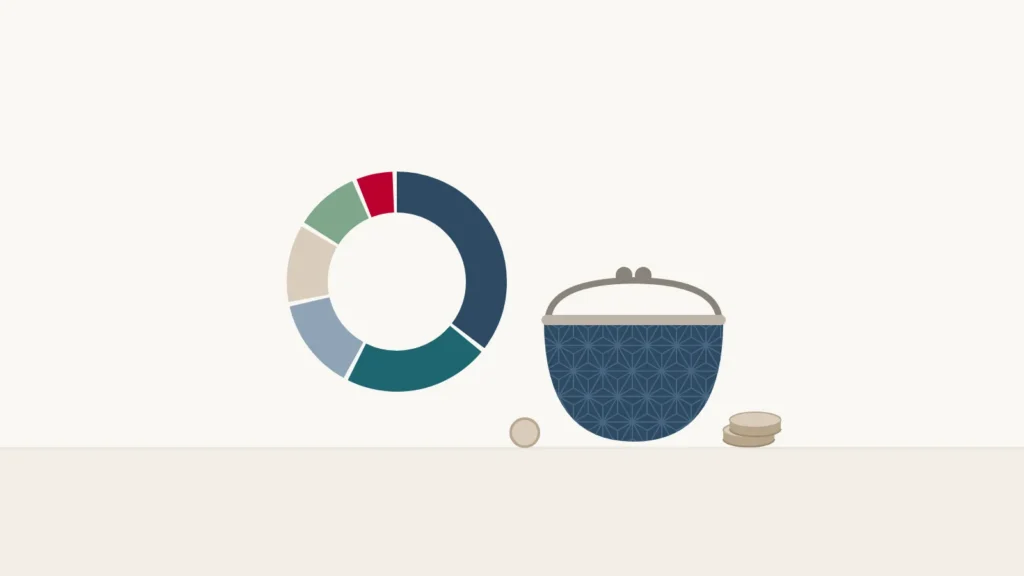
A ring chart split into budget segments beside a clasp coin purse and a few coins

Life Guide

Cost of living in Japan: a realistic monthly budget for a single worker

Indicative, checked 7 November 2026 (official 2025 survey): single worker households under 35 spent ¥179,225 a month on living costs, plus ¥59,146 on taxes and social insurance. Rent decides most of the rest: in 2023 the average rent paid by renting households was ¥59,643 nationally and ¥93,579 in Tokyo's 23 wards.
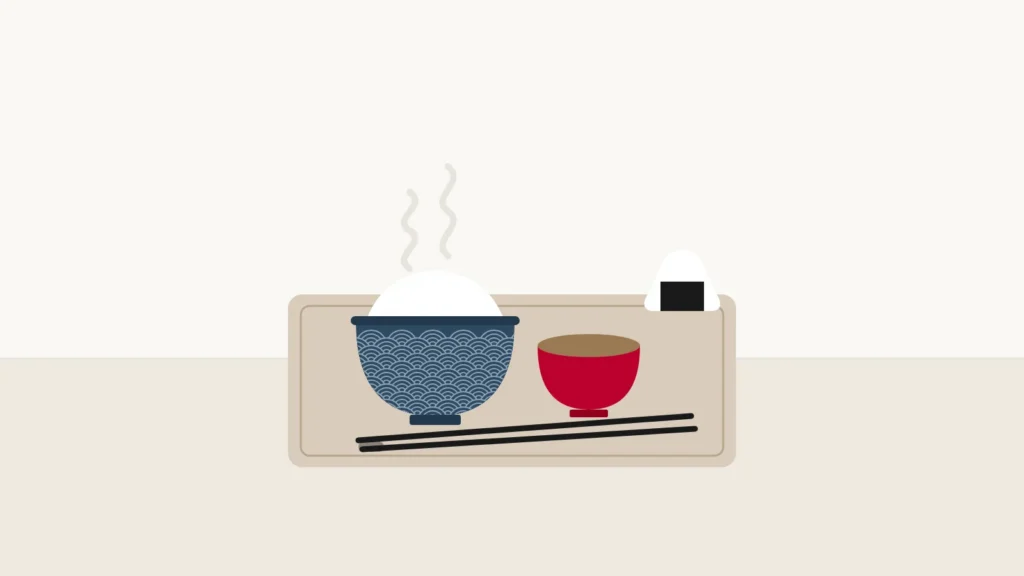
A tray with a bowl of rice, a red soup bowl, a rice ball wrapped in seaweed and chopsticks

Life Guide

Eating well on a budget in Japan: supermarkets, cooking at home, halal and vegetarian food

Indicative, checked 7 November 2026: young single workers spent ¥41,938 a month on food in 2025, and ¥17,996 of it was eating out. Cooking at home is the biggest saving. If you avoid pork or alcohol, read the full ingredient list: pork and gelatin are only "recommended" allergen labels in Japan, so the allergen box may not show them.

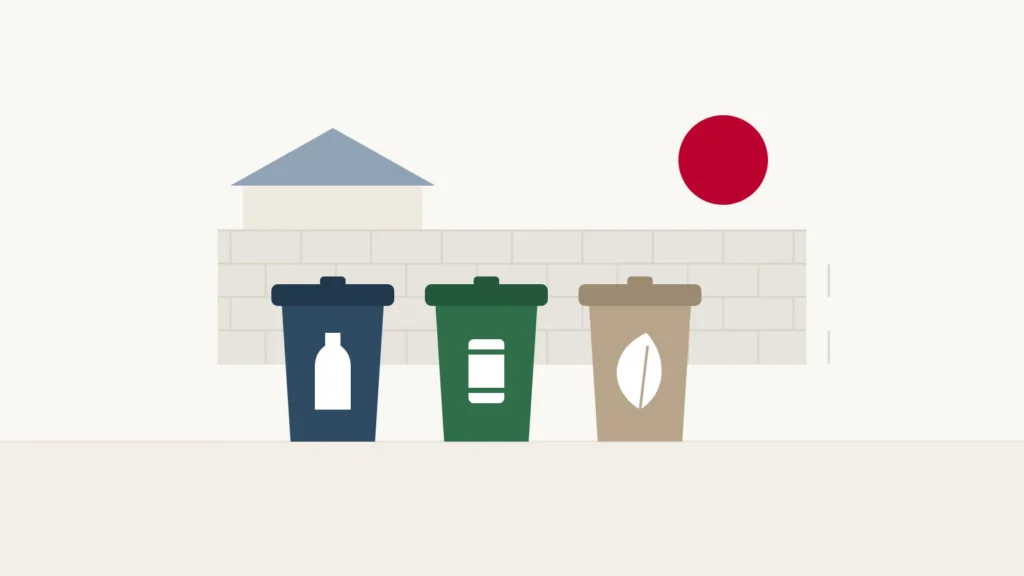
Three sorting bins with bottle, can and leaf symbols in front of a block wall and a neighbour’s roof

Life Guide

Garbage, neighbours and everyday etiquette in Japan: sorting rules, noise, trains and work

Garbage rules are set by each city: check your city's English guide and collection days the week you move in. Keep noise down, especially at night, and follow your rental contract. On trains, keep quiet and avoid phone calls. At work, be on time and report early. After-work drinking is optional, and you can say no politely.

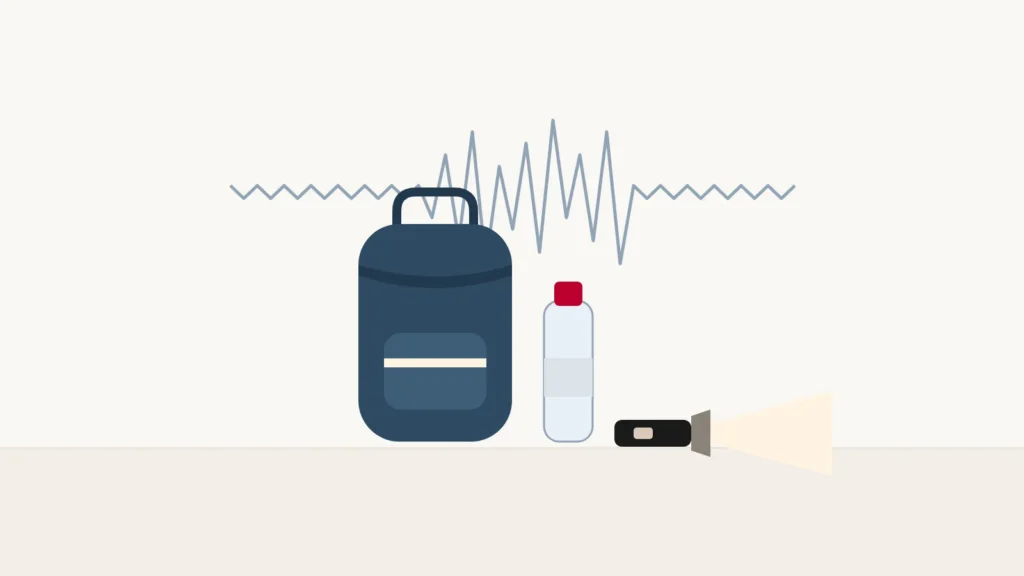
An emergency backpack, a water bottle and a flashlight under a seismograph line

Life Guide

Earthquakes and emergencies in Japan: 119, 110, evacuation and alerts

Call 119 for fire or an ambulance and 110 for the police; both are free from public phones. In an earthquake, protect your head and stay under a sturdy table until the shaking stops. Find your nearest evacuation shelter on your city's hazard map now, keep food and water for at least three days, and install a multilingual alert app.

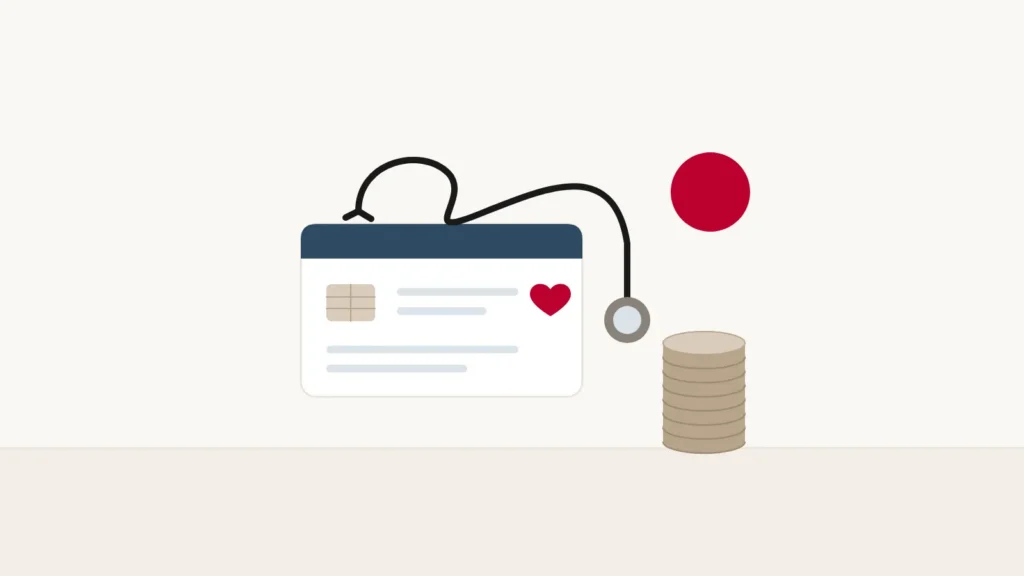
A health insurance card with a red heart, a stethoscope curving around it and a tall stack of coins

Life Guide

Health insurance and pension in Japan: National Health Insurance, employee insurance and the lump-sum withdrawal

Everyone living in Japan for more than three months joins public health insurance: employee insurance through the company, or National Health Insurance at the city office. Patients aged 6 to 69 normally pay 30% of the medical bill. Residents aged 20 to 59 also join a pension system. If you leave Japan, you may claim a lump-sum withdrawal within two years.

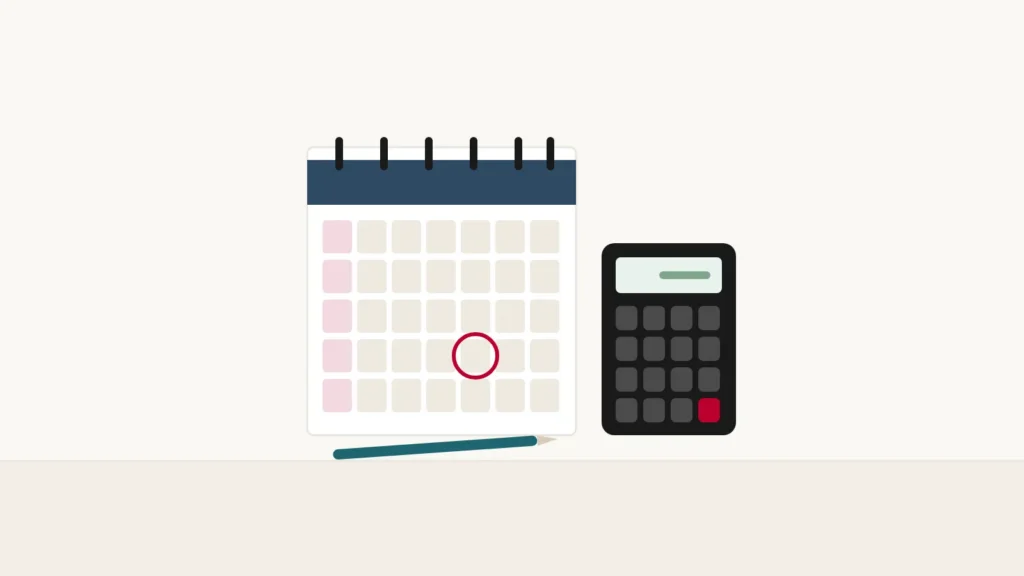
A wall calendar with one date circled in red next to a calculator and a pen

Life Guide

Taxes for workers in Japan: income tax, resident tax and the year-end adjustment

Income tax is taken from every salary, and your employer settles the exact amount in the year-end adjustment. Resident tax is charged by the city where you lived on 1 January, based on the previous year's income. That is why it usually starts in June of your second year. Unpaid resident tax can affect your visa renewal.

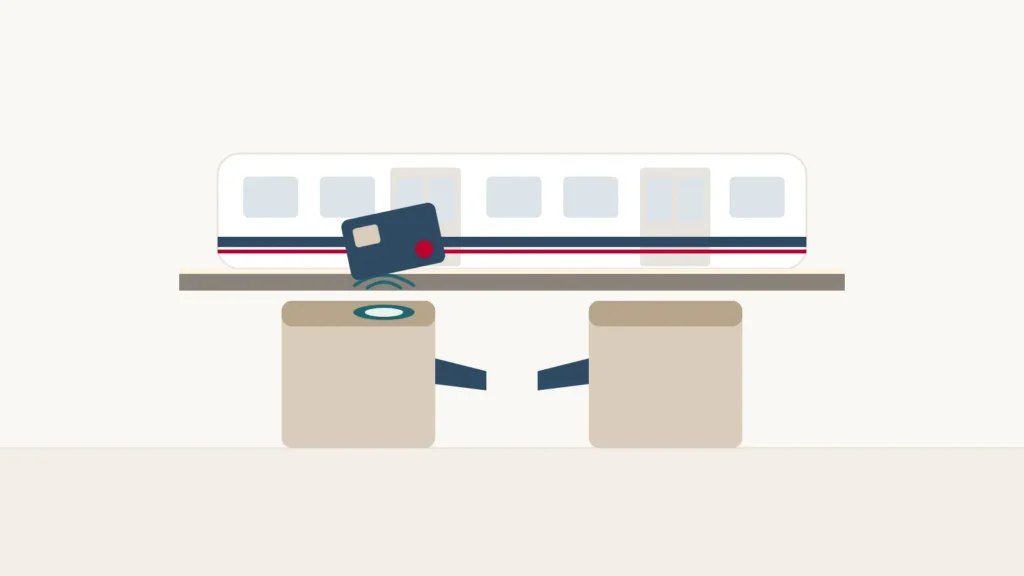
An IC card tapped on a ticket gate reader, with a commuter train waiting at the platform behind

Life Guide

Trains and buses in Japan: IC cards, commuter passes, etiquette and transit apps

An IC card lets you tap in and out of trains and buses and pay at many shops. Most need a ¥500 deposit, and a registered card can be reissued if you lose it. If you travel the same route every day, a 1-, 3- or 6-month commuter pass costs less. On trains, do not talk on the phone and keep your bag out of the way.

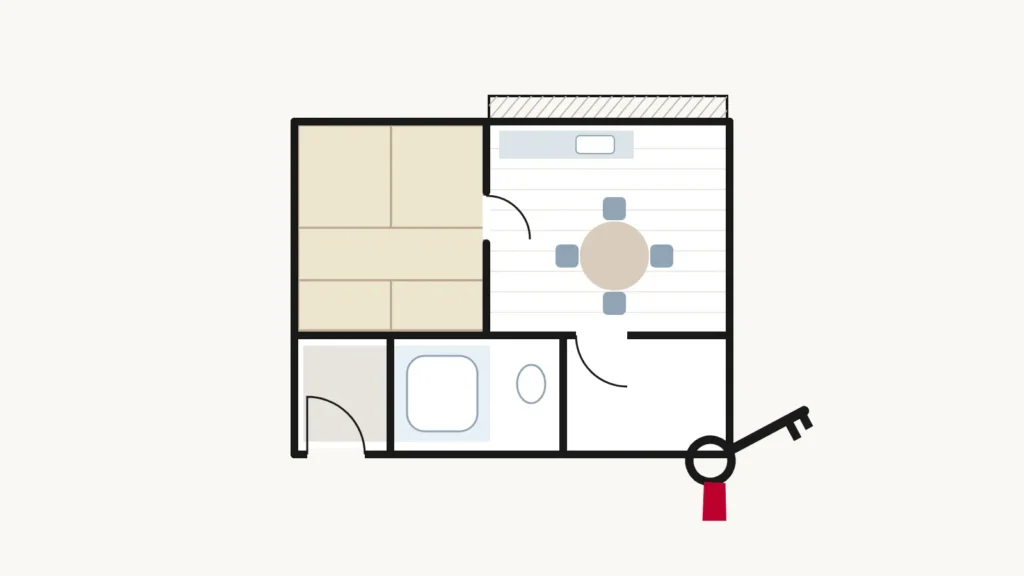
Floor plan of a small Japanese apartment with a tatami room, a dining area, bathroom, entrance and balcony, and a key with a red tag

Life Guide

Finding an apartment in Japan: key money, deposit, guarantors and floor plans

Renting in Japan usually costs about 4 to 7 months' rent at the start, according to the MLIT guidebook. That covers the deposit, key money in some regions, an agency fee within one month's rent, insurance and the first rent. Most landlords want a guarantor or a rent guarantee company. Read the contract and the move-out rules before you sign.

A smartphone with colourful app tiles in front of a red sun, with Wi-Fi waves on one side and a SIM card on the other

Life Guide

Mobile phones and internet in Japan: SIM or contract, ID and avoiding long contracts

For a phone contract you need ID that shows your current address: a residence card, driver's licence, My Number Card, or a passport only if it shows your address. You pay by credit card or a Japanese bank account. Compare SIM-only plans with handset contracts, ask about the minimum term and cancellation fees, and remember the 8-day cancellation rule.

A bank building and a small house joined by a dotted arc, with an envelope and a coin travelling between them

Life Guide

Opening a bank account in Japan and sending money home safely

To open an account, bring your residence card. Some banks want a hanko seal, and students or employees may be asked for an ID. Japan Post Bank will not open an account if your stay ends within 3 months. Send money home only through a bank or a funds transfer service provider registered with the FSA. Never sell or lend your account.

A blue suitcase with a red luggage tag next to a two-week calendar card with the first five days ticked

Life Guide

Your first 14 days in Japan: residence card, address, My Number, insurance, bank and phone

In your first two weeks, register your address at the city or ward office within 14 days of moving in. Your My Number follows by post. At the same office, join National Health Insurance and National Pension unless your employer enrols you. Then open a bank account and get a phone: both need the address on your residence card.